
Norwich Fencing Contractors
Garden fencing in Norwich
Norwich Fencing Contractors puts up new garden fences for homes in Norwich and across Norfolk, from a short run between neighbours to every boundary on a new-build plot.
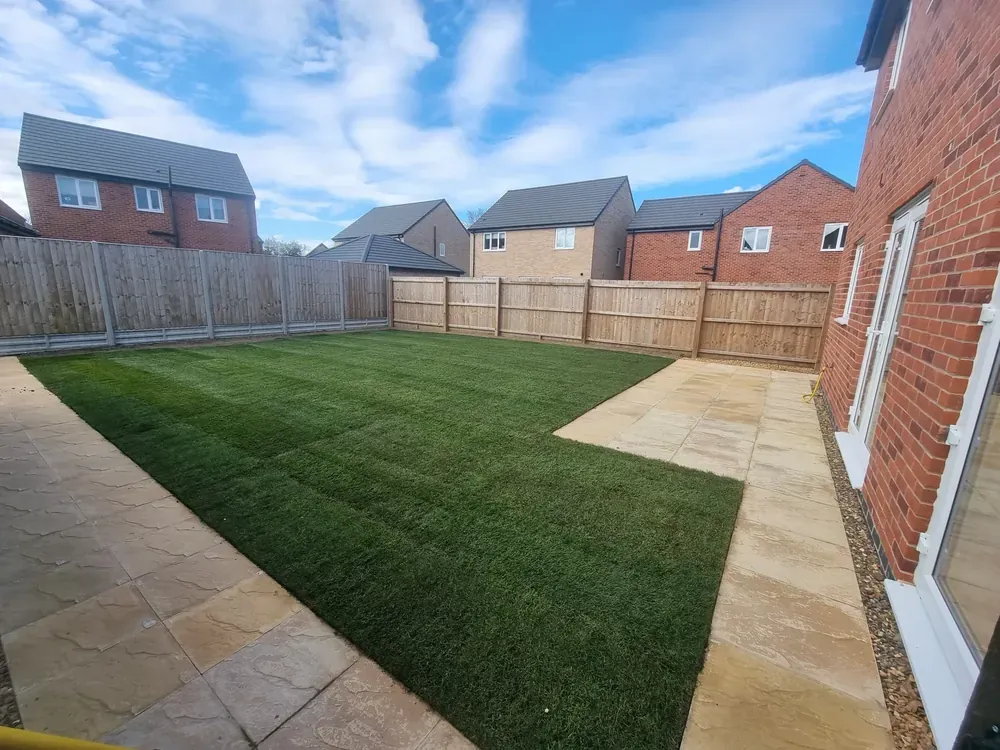
A new boundary, built from the ground up
A new garden fence is more than the boards you look at. It is a line of posts set into the ground, rails or panels fixed between them, and usually a gravel board along the bottom to keep the timber off damp soil. Get the posts and the line right and the rest of the fence has something solid to hang from; get them wrong and even the best boards will lean within a few winters.
This is the service for anyone starting again: a back garden where the old fence has had its day, a front boundary that needs defining, or a new-build home handed over with a temporary fence or none at all. We can fit any type of fencing, so the choice of style is yours. Closeboard, panel, slatted, picket and post and wire all start with the same careful groundwork, and we help you weigh up which suits your garden, your budget and how much privacy you want.
What is included
A new fence quote from us normally covers the whole job, so you are not left to sort out the old fence or the waste yourself:
- Taking down and removing the old fence, posts and rubbish
- Setting out the line and checking it against the boundary you have agreed
- New posts, set firmly and plumb, in concrete or timber
- Gravel boards along the base to keep timber clear of the soil
- The fence itself: boards, panels, slats or wire, as agreed
- Any trellis toppers or matching gates you add to the job
- Clearing up and taking away all the waste when we finish
Before you book
What to plan before you book
-
Agree the boundary first
Before any post goes in, be sure where the line is. Look at your deeds and title plan, and talk to the neighbours on the other side. A fence put up in the wrong place is an expensive argument.
-
Choose a height
Think about what the fence is for: privacy on a patio, keeping a dog in, or just marking the edge. Taller fences need stronger posts and catch more wind, so height affects the build as well as the look.
-
Clear the way
Shrubs, climbers, sheds and compost bins along the old line slow the job down. Move what you can, and tell us about anything that has to stay in place.
-
Think about access
Fencing materials are long and heavy. Let us know how we get to the back garden and whether there is anywhere to park and unload.
Worth knowing
Good to know
-
Planning rules
A fence up to 2 metres high is normally permitted development in England, falling to 1 metre beside a road used by vehicles. Conservation areas, listed buildings and some new estates add their own rules, so check before you decide on a height.
-
Which way the fence faces
Many people put the smooth side towards the neighbour as a courtesy. It is not a legal rule, so agree it between you before the work starts.
-
New timber changes colour
Pressure-treated timber often starts green or pale and weathers to a softer brown over the first year. Let it dry out before you stain or paint it.
-
Hidden pipes and cables
Post holes go deep. If you know of cables, drains or pipes near the boundary, mark them for us, and check any plans that came with the house.
Post by post
How the job runs
-
Step 1: Your enquiry
Tell us the rough length, the height you have in mind and what is there now, using the form or by calling 01603 265243.
-
Step 2: A visit to measure
We arrange to see the boundary, measure it, look at the ground and any slope, and talk through the fence types that would work.
-
Step 3: Your free quote
You get a written quote that says what is included, from removing the old fence to taking the waste away.
-
Step 4: Old out, new in
On the day we take down the old fence, set the new posts, fit gravel boards and build the fence.
-
Step 5: Handover
We check the line and every fixing, clear up, and talk you through looking after the new timber.
Questions
Questions customers ask
Something else on your mind? Ask us when you send your details and we will answer it with your quote.
What type of fence should I choose?
It depends on privacy, budget and looks. Closeboard is very strong and private, panels are quicker to fit and replace, and slatted or picket fences suit a lighter, more open boundary. We will talk you through the options when we visit.
Concrete or timber posts?
Concrete posts do not rot and suit slotted panels and gravel boards well. Timber posts look softer and suit closeboard and some modern styles. Both last when they are set properly.
Can you fence a sloping garden?
Yes. A fence on a slope is either stepped, with each section level and a step at every post, or raked to follow the ground. Closeboard is the easiest to rake.
Do I need to tell my neighbour?
If the fence is on a shared boundary, it is good manners and good sense to talk to them first. Agree where the line is, which side faces whom and when the work will happen.
Can you build a fence on a new-build plot?
Yes. New-build gardens often have a short-lived fence or none at all, and the ground can be full of builders' rubble. We plan the posts around what is underneath.
Do you remove the old fence?
Yes. Taking the old fence down and away is normally part of the quote, so you do not need a skip.
Other fencing work we do
-
Closeboard fencing
Vertical featheredge boards on rails, built on site to follow the ground and give full privacy.
-
Fence panels
Ready-made panels fitted between posts, and tired or broken panels swapped out.
-
Fence repairs
Leaning, rotten or storm-damaged fences put right, from a single post to a full run.
-
Garden gates
Side gates, garden gates and pedestrian gates hung on posts that are built to carry them.
Ready to replace your garden fence?
Send us the rough length and height and we will arrange a visit and a free quote.